







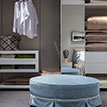
- Exceptional textures and artistry with mcncelle.com elevate contemporary fashion design
- The Influence of Textural Variation in Modern Design
- Exploring Novel Fabric Treatments
- The Role of Color and Texture Synergy
- Achieving Depth Through Layering
- The Impact of Innovative Materials on Textile Artistry
- Smart Textiles and Interactive Design
- Sourcing Quality Textiles: Partnering with Reliable Suppliers
- Beyond Trends: The Enduring Appeal of Tactile Design
Exceptional textures and artistry with mcncelle.com elevate contemporary fashion design
The world of contemporary fashion design is constantly evolving, seeking new textures, innovative materials, and artistic expressions to captivate audiences. At the forefront of this creative surge is a dedication to detail and a commitment to delivering exceptional quality. The pursuit of unique aesthetics drives designers to explore unconventional approaches, and frequently, the selection of materials plays a pivotal role in achieving a desired look and feel. Finding a partner who understands and can consistently provide these specialized elements is crucial, and that’s where ventures like mcncelle.com come into play, offering a curated collection of fabrics and design resources.
The demand for exceptional textures isn't simply about visual appeal; it's a holistic sensory experience. Designers are considering how garments and accessories feel against the skin, how they move, and how they interact with light. This tactile dimension elevates fashion beyond mere adornment, transforming it into an immersive art form. Sourcing the right materials allows designers to build this experience, moving beyond standard offerings to create pieces that resonate with consumers on a deeper level. It’s about crafting an identity, a story, and a memorable connection through the artistry of textile selection.
The Influence of Textural Variation in Modern Design
Textural variation has become a cornerstone of modern fashion, moving beyond flat, uniform surfaces to embrace dimension, complexity, and intrigue. Designers are actively seeking fabrics that offer a multi-sensory experience, incorporating elements like raised patterns, contrasting weaves, and unique finishes. This trend is visible across various styles, from high-end couture to ready-to-wear collections, and is influencing accessory design as well. The effectiveness of utilizing textures lies in the subtleties – the interplay of light and shadow, the way a fabric drapes, and the overall impact on the silhouette. It's a sophisticated approach that adds depth and visual interest, preventing designs from feeling static or one-dimensional. The ability to manipulate texture allows designers to play with perception, creating illusions of volume, movement, and even altering the perceived shape of a garment.
Exploring Novel Fabric Treatments
To achieve these desired effects, designers are increasingly experimenting with novel fabric treatments. Techniques like embossing, flocking, and laser cutting are being utilized to create unique surface textures that push the boundaries of textile innovation. Furthermore, sustainable approaches to fabric manipulation, like eco-friendly dyeing and natural finishing processes, are gaining prominence as consumers demand ethical and environmentally conscious fashion choices. This commitment to sustainability doesn’t limit creativity; in fact, it often inspires it, leading to the development of innovative materials and techniques that minimize environmental impact. The responsible sourcing of materials is now a defining characteristic of successful design houses, demonstrating a dedication to both style and social responsibility. The future of fashion lies in harmonizing artistry with environmental awareness.
| Fabric Type | Typical Texture Characteristics |
|---|---|
| Silk Crepe de Chine | Slightly pebbled, soft drape, subtle sheen |
| Bouclé Wool | Looped or curled fibers, raised texture, warmth |
| Jacquard Knit | Intricate woven patterns, raised designs, structural |
| Embossed Leather | Raised pattern pressed into surface, durable, tactile |
The table above exemplifies how differing fabric compositions contribute vastly different textures to designs. Understanding these properties is paramount for any designer aiming to create a specific aesthetic or evoke a particular feeling.
The Role of Color and Texture Synergy
While texture is a crucial element, its impact is significantly amplified when combined with thoughtful color palettes. The interplay between color and texture can create truly captivating designs. For instance, a richly textured fabric in a muted tone can convey a sense of understated elegance, while a vibrant color paired with a bold texture can exude energy and confidence. Designers often employ color blocking techniques to highlight textural contrasts, drawing attention to specific areas of a garment or accessory. The skillful use of color can also soften or accentuate the texture, creating a harmonious balance between visual and tactile elements. Considering how a fabric will appear in different lighting conditions is also vital, as light interacts with textures and colors in unique ways, altering their perceived appearance. Careful consideration of these nuances ensures that the final design maintains its aesthetic appeal across varied environments.
Achieving Depth Through Layering
Layering different textures and colors is a powerful technique for adding depth and dimension to designs. By combining varying fabrics with contrasting textures, designers can create a visually dynamic and engaging surface. This approach is particularly effective in creating statement pieces that command attention. A sheer, delicate fabric layered over a more substantial texture, for example, can create a sense of mystery and intrigue. The key is to maintain a cohesive aesthetic, ensuring that the layers complement each other and contribute to the overall design narrative. Experimentation with different layering techniques is essential for discovering new and innovative ways to express creativity. The careful selection of each layer is paramount, considering its weight, drape, and color in relation to the other components.
- Texture adds visual interest and depth.
- Color enhances or softens textural effects.
- Layering creates dimension and complexity.
- Consider lighting when selecting materials.
- Sustainable fabric choices are increasingly important.
These elements intertwine to create designs that engage the senses and capture the imagination. Utilizing these concepts is vital to staying ahead of trends.
The Impact of Innovative Materials on Textile Artistry
The continuous search for innovative materials is revolutionizing textile artistry. Designers are exploring beyond traditional fabrics like cotton, silk, and wool, incorporating materials like recycled plastics, bio-based polymers, and even lab-grown fabrics. These new materials often possess unique textural properties that open up exciting possibilities for design. For example, fabrics made from recycled plastic bottles can have a distinctive texture that resembles woven paper, while bio-based materials can offer a natural, organic feel. The use of these materials also aligns with the growing demand for sustainable fashion, reducing environmental impact and promoting responsible consumption. Furthermore, advancements in textile technology are enabling the creation of fabrics with customized textures and functionalities, allowing designers to tailor materials to specific design requirements. This level of customization allows for a greater level of artistic expression and innovation.
Smart Textiles and Interactive Design
Beyond aesthetics, innovative materials are also paving the way for “smart textiles” – fabrics that can respond to external stimuli. These fabrics can change color, adjust their shape, or even generate energy, creating interactive designs that blur the line between fashion and technology. Imagine a garment that adjusts its temperature based on the wearer’s body heat or a dress that changes color in response to music. The possibilities are endless. This emerging field has significant implications for the future of fashion, enabling the creation of personalized, responsive, and highly functional garments. The integration of technology into textiles requires a collaborative approach, bringing together designers, engineers, and material scientists to develop innovative solutions. The potential impact extends beyond aesthetics, addressing practical needs and enhancing the overall user experience.
- Identify the target aesthetic and desired feel.
- Research innovative and sustainable material options.
- Experiment with different textures and layering techniques.
- Consider the impact of lighting and color.
- Collaborate with material scientists and engineers.
Follow these steps to successfully integrate new materials into your designs, delivering exceptional results.
Sourcing Quality Textiles: Partnering with Reliable Suppliers
The foundation of exceptional textural artistry is built upon access to high-quality textiles. Establishing strong relationships with reliable suppliers is therefore paramount for fashion designers. These suppliers should not only offer a diverse range of fabrics but also demonstrate a commitment to quality control, ethical sourcing, and timely delivery. It’s vital to assess a supplier’s capabilities, including their production capacity, customization options, and ability to meet specific design requirements. Transparency in the supply chain is also crucial, allowing designers to ensure that materials are sourced responsibly and ethically. Furthermore, suppliers who can provide technical support and guidance on fabric properties and applications can be invaluable partners in the design process. Taking the time to research and vet potential suppliers ensures that designers have access to the best possible materials for their creations. The benefits of a strong partnership extend beyond simply acquiring fabrics; it fosters collaboration, innovation, and long-term sustainability.
Consider mcncelle.com as a potential starting point for sourcing unique and high-quality materials. They offer a curated selection of fabrics known for their distinctive textures and exceptional quality.
Beyond Trends: The Enduring Appeal of Tactile Design
While fashion trends come and go, the enduring appeal of tactile design remains constant. The human desire to connect with the world through touch is fundamental, and this translates into a lasting appreciation for fabrics that engage the senses. Designers who prioritize texture and materiality are creating pieces that transcend fleeting trends, offering timeless elegance and enduring value. The increasing emphasis on sensory experiences in various aspects of life, from interior design to culinary arts, further reinforces this trend. Consumers are seeking products that offer not just functional benefits but also emotional resonance, and textured fabrics play a crucial role in achieving this connection. This demand for tactile experiences is pushing designers to explore new and innovative ways to incorporate textures into their creations, ensuring that tactile design remains a driving force in the fashion industry for years to come.
An interesting case study lies with the rising prominence of “slow fashion” movements. These movements champion quality over quantity and value craftsmanship and durable materials—often characterized by rich textures. Consumers within these communities actively seek pieces that will stand the test of time, both in terms of style and physical longevity. This shift in consumer mindset is further solidifying the importance of tactile design, moving away from fast-fashion’s disposable culture towards a more enduring appreciation for artistry and quality. It's a testament to the power of texture to create pieces that are not just worn but cherished.
