








Australian punters chasing dice action know the table moves fast and the losses can stack up quicker than a Sydney summer storm. Good craps bankroll management keeps your session alive longer and stops a bad run from wiping out your weekly entertainment budget. The trick is treating your gambling money like a finite resource, not an endless tap. You set limits before you toss a chip, track your spend, and walk away when the numbers say so. That discipline matters more than any lucky throw.
Building a Session Plan That Holds Up
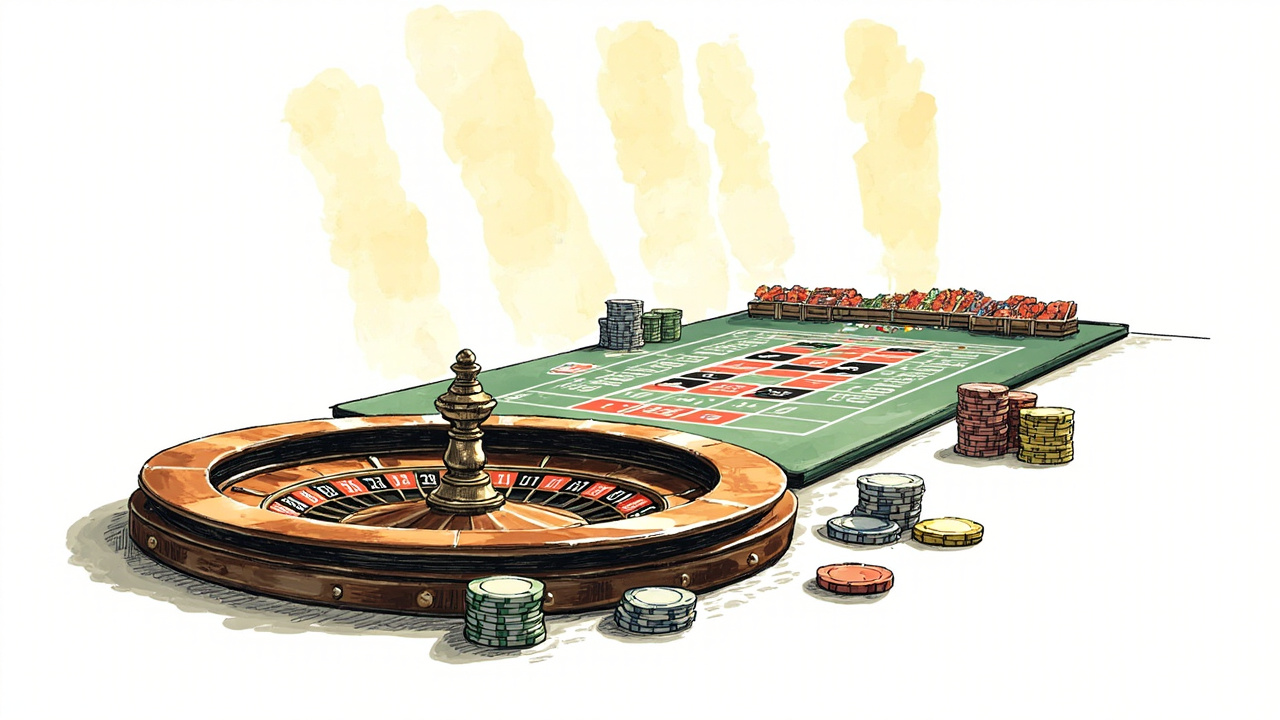
Craps bankroll management starts with a clear session cap and a strict loss limit you actually respect. In regional Queensland, where local clubs and online venues both pull a crowd, players often split their bankroll into smaller units so one rough patch does not end the night. A sensible approach is dividing your total into twenty to fifty units, betting only one or two units per line, and capping your daily loss at a fixed percentage. This mirrors the risk frameworks I have overseen in payments and digital assets, where exposure caps and drawdown limits keep a portfolio from blowing up on a single volatile swing.
| Parameter | Practical Range | Why It Matters |
|---|---|---|
| Unit size | 1-2% of session bankroll | Keeps individual bets proportionate |
| Loss limit | 20-30% of starting bankroll | Defines a hard stop before emotions take over |
| Time cap | 60-120 minutes per session | Prevents fatigue from driving poor decisions |
| Record keeping | Track wins, losses, and bet types | Shows whether your plan is actually working |
A short checklist helps lock the plan in before you sit down:
- Decide your total session amount and convert it to units
- Pick two or three bets you understand, rather than spraying chips across the layout
- Set a loss limit and a win target, then commit to both
- Write down the result after each session so you can see patterns over time
When you compare craps to other table options, the house edge and volatility shape how quickly a bankroll can erode. Reading up on craps house edge vs baccarat mana lebih menguntungkan? helps you weigh whether the dice game suits your risk appetite or whether a slower table fits your budget better. The point is not to chase a perfect bet but to match your stakes to the game’s actual cost over time.
Tracking Variance and Staying Disciplined
Variance is the part that tests every bankroll plan. In craps, a hot streak can tempt you to lift your unit size, while a cold run can make you chase losses with reckless proposition bets. That is where a structured record matters. I have seen the same principle play out in FinTech and eCommerce operations: when you log transactions and outcomes consistently, you spot drift early and adjust before a small problem becomes a big one. The same logic applies to a dice session.
Aly Wright, Sports Betting Analyst, Yarra Gaming Lab, puts it plainly: “A bankroll plan only works if the player actually records outcomes and respects the stop loss, because memory is a terrible accounting tool.” That warning matters in regional Queensland as much as anywhere, where a long arvo session can blur into a late night if you are not watching the numbers. A practical habit is pausing every thirty to forty minutes, checking your running result against your limit, and walking away if you hit either boundary. No worries if the table is running against you; the session was always capped.
Dylan Ryan, Risk and Integrity Manager, Coastal Wager Research, adds another angle: “Players who treat variance as normal rather than personal tend to keep their stakes steady, which is the whole point of craps bankroll management.” That mindset keeps you from inflating bets to recover a bad stretch. It also lines up with how I have approached product analytics in payments and Web3: measure the distribution of outcomes, accept the spread, and design your limits around it instead of hoping the next throw fixes everything.
Matching the Plan to How You Actually Play
Craps bankroll management only works when it fits the way you play, not some idealised version of a perfect punter. If you prefer pass and come bets with modest stakes, your unit size and loss limit can stay conservative and your sessions can run longer. If you enjoy the occasional prop bet for fun, keep those wagers small and separate from your core bankroll so the higher house edge does not quietly eat your plan. The goal is a structure you can actually follow on a busy week, not a rigid system you abandon after one rough session.
For Australian adults 18+, the practical fit comes down to three things: a clear cap, a simple recording habit, and a willingness to stop when the limit hits. That is the same kind of disciplined approach I have applied across digital assets and payments, where a defined risk ceiling and honest tracking beat any hope of outsmarting the market. Craps does not change that reality; it just asks you to apply it at a table where the dice move fast and the temptation to keep playing is always there.
If you want a low-friction way to set up your first session without committing your own cash straight away, a no-deposit option can be a useful test run for your limits and tracking habits at https://goldenbetnodeposit.com/. Treat it as a practice lap for your bankroll rules, not a shortcut to free money, and you will learn whether your plan holds up before real stakes are on the line.
A solid bankroll plan is not about guaranteeing a win; it is about keeping your play within your means and your head clear when the dice turn cold. Set your limits, track your results, and walk away when the numbers say so. That is the only approach that survives a long run at the table.
